When you need to fix garage door Belmont MA systems, navigating the complex intersection of high-tension mechanics and automated technology requires careful assessment. Understanding how your overhead assembly operates helps you accurately determine whether a problem requires simple maintenance or advanced professional service.
At Magic Garage Door Repair, we believe that an informed homeowner is a safer homeowner. This comprehensive guide details the core anatomy of residential garage doors, analyzes common technical failure points, offers actionable preventative maintenance procedures, fix garage door Belmont MA and provides permanent solutions to restore your garage door to peak condition.
1. Understanding the Mechanics of Your Overhead Garage Door
To safely diagnose and discuss an overhead system issue, it helps to understand how the internal components operate as a unified network. A standard residential garage door is a heavy structural element balanced by physical counterweights and driven by a motorized opener.
Let’s look at the critical mechanical assemblies that make up your residential garage door:
The High-Tension Counterbalance Spring System
The springs provide the muscle for your entire overhead door. A common misconception is that the electric garage door opener does all the heavy lifting. In reality, the opener merely acts as a regulator; the high-tension springs do the work of counterbalancing the door’s physical weight.
Torsion Springs: These are mounted horizontally on a steel shaft directly above the top header of the garage door opening. As the door closes, steel cables pull on the drums, winding the spring coils tightly and storing mechanical energy. When you open the door, that wound energy releases, spinning the shaft and winding the lifting cables to raise the door smoothly. Torsion springs distribute weight evenly across the header and boast a long lifecycle.
Extension Springs: Typically installed in older homes or garages with limited overhead headroom, these springs run horizontally above the upper tracks on both the left and right sides. They stretch out as the door lowers and contract to help pull the door upward. Because extension springs work independently on each side, they are more prone to causing an uneven door alignment over time if one spring loses tension faster than the other.
You need to know this things to fix garage door Belmont MA.
Cables, Drums, and the Lifting Mechanism
Connected to the bottom corners of your garage door panels are high-tensile steel lift cables. These cables run vertically up the sides of the door and wrap securely around grooved aluminum drums located at both ends of the torsion shaft. If a cable becomes frayed, slips out of its drum grooves, or snaps entirely, the garage door will instantly twist sideways, bind tightly inside the structural tracks, and become locked in place.
Structural Tracks and Heavy-Duty Rollers
The steel tracks act as a continuous guide rail, directing your garage door panels as they transition from a vertical closed position to a horizontal overhead position. Resting inside these tracks are the rollers, which are attached directly to the door hinges.
Older steel rollers can degrade, seize up, or rust over time, which increases friction and places severe stress on your garage door opener motor. Upgrading to high-performance, sealed nylon rollers with precision ball bearings minimizes track friction and dampens operational noise. An expert can help you to fix these things to fix garage door Belmont MA.
2. Common Failures and Technical Troubleshooting
Identifying the root cause of the breakdown is the first step toward a permanent solution. Below are the most frequent mechanical issues homeowners encounter, along with practical troubleshooting insights.
The Loud Gunshot Bang: Broken Springs
When a torsion or extension spring reaches the end of its operational lifespan, the steel wire fractures, releasing its stored energy instantly with a loud sound similar to a gunshot.
The Symptom: Your garage door opener motor hums loudly or strains heavily but cannot lift the door more than an inch or two off the ground. If you pull the emergency release cord and try to lift the door manually, it feels incredibly heavy and unmanageable.
The Solution: Do not attempt to operate the door electronically or force it open by hand. Operating a door with a broken spring can burn out your opener’s internal gear kit or cause the door to crash down diagonally. The broken spring must be removed using specialized winding bars, and a new high-cycle spring matched to your door’s exact weight must be calibrated and installed to fix garage door Belmont MA.
The Misaligned or Jerking Door: Twisted Tracks and Broken Cables
If your overhead door appears uneven, lifts at a strange angle, or produces a harsh scraping sound as it moves, you are likely dealing with a track alignment issue or a damaged cable to fix garage door Belmont MA.
The Symptom: Gaps appear between the track rollers and the steel rail, or you notice physical fraying along the braided steel lift cables near the bottom bracket where road salt and winter moisture accumulate.
The Solution: Loose structural mounting bolts can cause tracks to shift out of plumb alignment over time. Check the vertical and horizontal tracks with a spirit level, and ensure all fastening brackets are tightened down. If a cable has jumped out of its drum groove or has snapped, the tension must be safely neutralized before restringing the system to avoid sudden structural failure. It will fix garage door Belmont MA.
The Door Reverses Immediately: Optical Safety Sensor Misalignment
Federal law mandates that all automatic garage door openers feature a non-contact safety reversal system. This is achieved using infrared photo-eye safety sensors mounted three to six inches off the ground on both sides of the door tracks.
The Symptom: Your garage door opens perfectly but refuses to close. When you press the wall switch or remote control to shut the door, it travels down slightly, reverses immediately to the fully open position, and the overhead opener light begins flashing continuously.
The Solution: This issue is typically caused by an interrupted or misaligned infrared safety beam. Check for objects blocking the path, such as garbage cans or garden tools. If the path is clear, wipe away dust, dirt, or spiderwebs from the sensor lenses with a soft cloth. Check the small indicator lights on the back of each sensor; a blinking or unlit LED indicates the sensors have been bumped out of alignment or have a wiring short. Gently adjust the sensor bracket by hand until both indicator lights glow solidly. It will fix garage door Belmont MA.
3. Comprehensive Technical Comparison of Garage Door Components
To help you choose the best replacement parts when updating or repairing your overhead system, we have compiled an engineering overview comparing standard hardware components across performance, lifespan, and ideal applications.
| Hardware Component | Common Material Types | Estimated Operational Lifespan | Performance Characteristics | Ideal Structural Application |
| Torsion Springs | Oil-tempered or galvanized high-tensile steel | 10,000 – 15,000 open/close cycles | Delivers smooth, balanced lifting power; minimizes mechanical strain on the opener motor | Standard residential attached garages with frequent daily use |
| Extension Springs | Double-looped carbon steel coils | 5,000 – 10,000 open/close cycles | Features a more abrupt lifting movement; requires safety cables through the center | Garages with low overhead headroom or historic detached structures |
| Track Rollers | Molded plastic, stamped steel, or sealed nylon | 2,000 cycles (Plastic) to 10,000+ cycles (Sealed Nylon) | Nylon rollers with internal ball bearings drastically reduce track noise and vibration | Garages located directly beneath or adjacent to living spaces |
| Lifting Cables | Galvanized or stainless aircraft-grade braided steel wire | 10,000 – 15,000 cycles | High tensile strength; prone to rust over time if exposed to winter road salt | Heavy double-car garage doors or heavily insulated multi-layer panels |
| Opener Drive Systems | Heavy-duty steel chain or steel-reinforced rubber belt | 10 – 15 years of operational service | Chain drives offer exceptional raw lifting power; belt drives provide nearly silent operation | Chain drives for heavy custom wood doors; belt drives for maximum quietness |
| Perimeter Weather Stripping | Vinyl, EPDM synthetic rubber, or silicone compounds | 3 – 5 years depending on weather exposure | Seals out freezing drafts, prevents rainwater entry, and blocks seasonal pests | All homes in New England experiencing severe seasonal shifts |
4. Why Choose Magic Garage Door Repair To Fix Garage Door Belmont MA?
When looking for a service provider to fix garage door Belmont MA, you need a local partner that prioritizes safety, stands behind their craft, and understands New England homes.
Deep Local Expertise: We serve residential neighborhoods throughout the Belmont area, from historic properties near Belmont Center and Harvard Cushing to homes along Concord Avenue. Our proximity ensures fast response times when your vehicle is trapped or your home security is compromised.
Safety-First Professional Training: High-tension garage door springs and lift cables hold significant mechanical energy. Our field technicians undergo rigorous safety and technical training, allowing them to complete complex component changes without risking damage to your home or injury to your family.
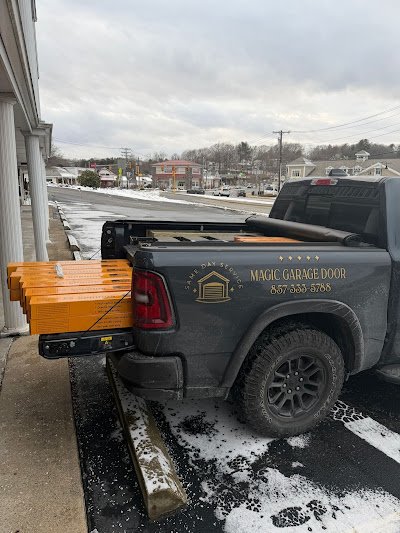
Fully Stocked Service Vehicles: Our local trucks arrive fully equipped with premium, high-cycle replacement parts, heavy-duty springs, nylon rollers, and replacement cables. This allows us to complete most structural repairs on our very first visit.
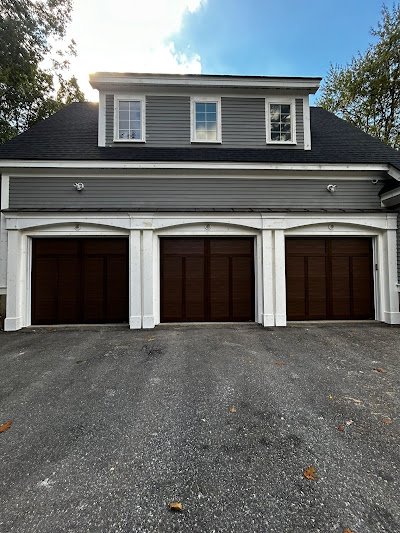
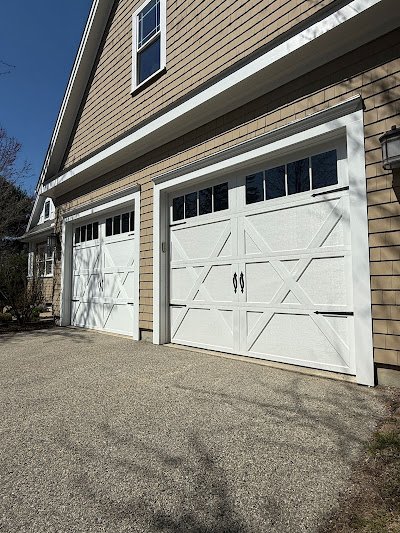
Tailored Solutions for Local Architecture: Whether your property features an elegant carriage-house wood door designed to comply with local historical character or a modern, triple-layer insulated steel door built to withstand freezing winters, we adjust our approach to fit your home’s unique design and insulation requirements to fix garage door Belmont MA.
5. Proactive Maintenance Protocols for Homeowners To Fix Garage Door Belmont MA
Implementing a basic, bi-annual maintenance checklist in the spring and autumn can prevent unexpected mechanical failures, extend the life of your opener motor, and ensure your system operates safely year-round.
Step-by-Step System Maintenance Checklist To Fix Garage Door Belmont MA
1. Meticulous Visual Inspection: With your garage door completely closed, stand inside your garage and inspect the hardware. Look for gaps or fractures in the torsion spring coils, fraying or loose strands along the lifting cables, loose mounting brackets, and cracked door hinges. Tighten any loose structural bolts with a socket wrench.
2. Mechanical Balance Testing: Disconnect your garage door from the automatic opener by pulling the red emergency release handle. Manually lift the door up by hand. A well-balanced door should lift smoothly with minimal physical effort and should remain stationary when left halfway open (about three to four feet off the ground). If the door falls closed or flies upward on its own, the spring tension is out of balance.
3. Professional Lubrication Application: Do not use standard WD-40, heavy automotive grease, or thick industrial oils on your garage door. Standard WD-40 is a solvent and degreaser that strips away internal bearing grease and attracts dust, which can accelerate wear. Instead, apply a light coating of high-quality silicone spray or white lithium grease directly to the steel rollers, the entire length of the torsion spring coils, and all moving hinge pivot points.
4. Auto-Reverse Safety Testing: Open your garage door completely. Place a solid object, such as a thick piece of wood or a flat brick, on the garage floor directly in the center of the door’s closing path. Use your remote control or wall switch to close the door. When the door contacts the object, it should immediately stop and reverse back to the fully open position. If the opener motor continues to push against the obstruction, the travel limits and force settings require immediate adjustment.
6. Frequently Asked Questions (FAQ)
My garage door opener makes a loud grinding noise, but the door won’t move. What is wrong?
A loud grinding or whirring noise coming from inside the opener chassis usually indicates a stripped internal drive gear. Most modern openers use a specialized nylon worm gear to transfer power from the motor to the drive chain or belt. If the garage door has been operating out of balance due to aging springs, this internal nylon gear can strip out completely. The motor will spin internally, but it cannot move the drive chain until the gear kit is replaced.
Can I adjust or replace a loose garage door lift cable by myself to fix garage door Belmont MA?
We strongly advise against DIY cable adjustments. The lifting cables are attached directly to the bottom corner brackets of the door, which are under direct tension from the overhead spring system. Attempting to loosen or adjust these bottom brackets without completely neutralizing the spring tension can cause the cable to snap or swing wildly, risking severe physical injury or property damage.
Why does my garage door rattle, shake, and make loud popping noises when opening?
Loud popping and shaking are usually caused by worn-out track rollers or unlubricated springs. As the steel bearings inside older rollers wear down, the rollers begin to slide and bind within the track channel rather than rolling smoothly. A sharp popping sound can also occur when dry torsion spring coils bind against one another as they wind and unwind. Applying an approved silicone spray lubricant to the springs and upgrading to sealed nylon rollers will typically resolve this issue.
Is it safe to operate my garage door manually if the torsion spring is broken?
No, it is highly unsafe. A broken torsion spring means the garage door has lost its mechanical counterweight, making the door incredibly heavy—often weighing between 150 to 300 pounds or more. Attempting to lift the door manually can cause severe muscle strain or cause the door to slip and crash down. Operating it electronically can burn out your automatic opener’s motor and strip its gears.
How do I know if my tracks need to be realigned or completely replaced?
If your tracks have minor surface scrapes or are slightly out of vertical alignment due to loose wall brackets, a professional can loosen the fasteners, realign the rails using a precision level, and secure them. However, if the tracks are severely bent, twisted, or creased from a vehicle impact or a door derailment, hammering the steel flat is not a reliable solution. Bent steel tracks have compromised structural integrity and should be replaced to prevent future roller binding.
Stuck in your driveway or dealing with an unreliable overhead door? Don’t take unnecessary safety risks with high-tension hardware. Contact Magic Garage Door Repair today to speak with a local specialist or schedule a comprehensive system inspection and professional repair with our experienced Belmont team.
Read More: